
Dental Implants vs Bridges: Choosing the Right Tooth Replacement
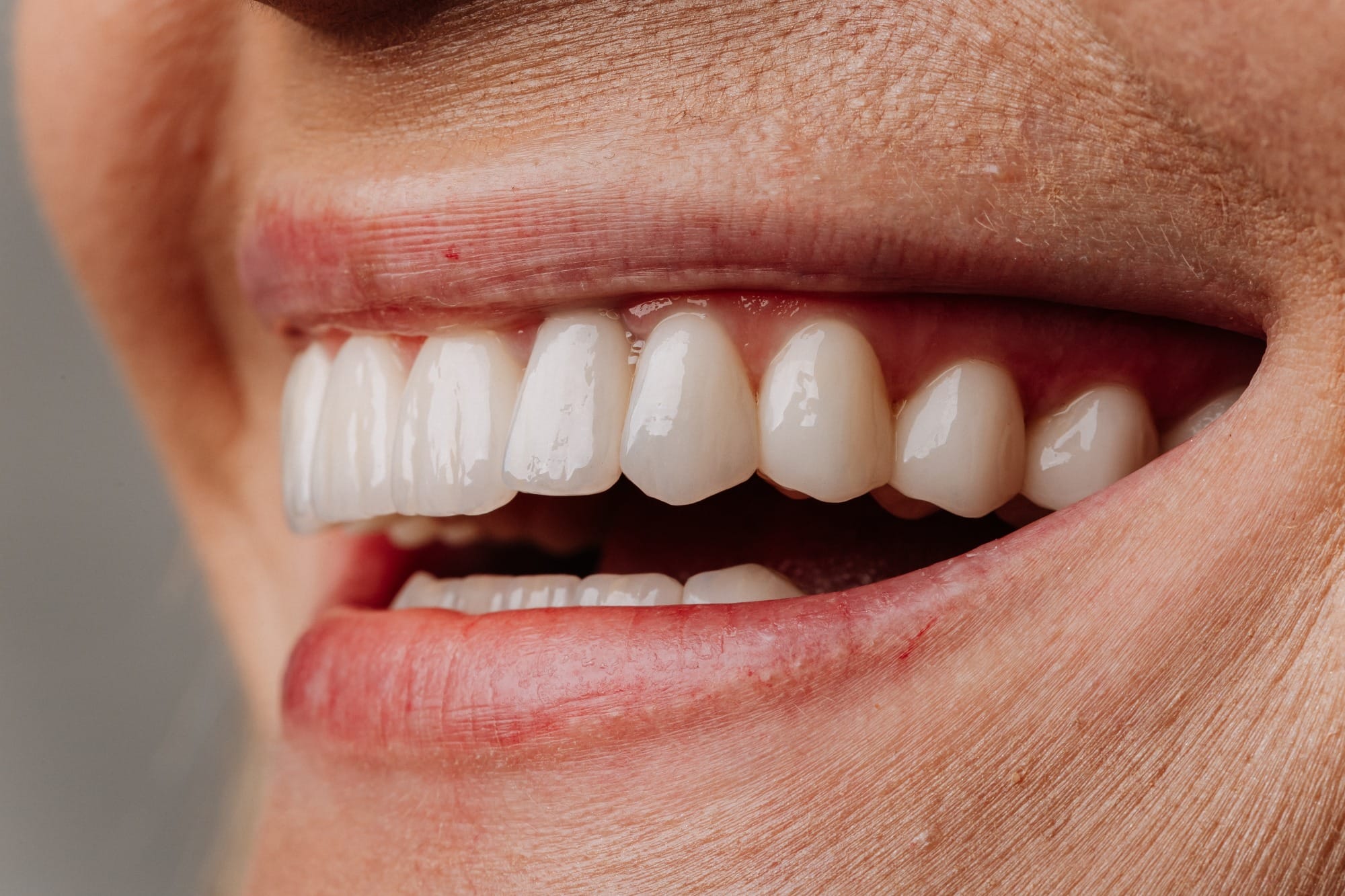
If you have a missing tooth, the decision can feel surprisingly personal. You might be thinking about how you smile in photos, how you chew on the side of the gap, or whether your replacement tooth will feel “like you” again. The good news is that today’s tooth replacement options are reliable and natural-looking, and you do not have to figure it out alone.
At Schneider Family Dental in Dublin, OH, we have helped neighbors care for their smiles since 1968. When patients ask about dental implants vs bridges, we keep the conversation simple and focused on what matters to you: comfort, longevity, appearance of your smile, and a plan that supports your oral health for the long run.
Why replacing missing teeth matters
A missing tooth changes how your mouth functions, even if the space is not visible when you talk. Over time, nearby teeth can shift, food can trap more easily, and your bite can feel “off.” Depending on the number of teeth missing and the location, tooth loss can also affect speech and confidence.
Tooth replacement supports healthy teeth and gum tissue by helping you clean and chew more evenly. When we evaluate missing teeth, we look at surrounding teeth and the rest of your teeth as a complete system. That big-picture approach helps protect your remaining teeth from extra stress, tooth decay, and wear.
What is a dental implant?
A dental implant replaces a tooth root as well as the visible part of the tooth. The most common type of dental implant is an endosteal implant, which is placed in the jawbone. The implant post acts like a stable base for a replacement tooth, usually finished with a custom crown that matches your natural teeth.
The process typically includes planning, implant placement, healing time as bone and tissue integrate, and then your final restoration. If you need support for bone health, you might hear about options like a bone graft to encourage new bone. We use 3D X-rays to plan accurately and guided implant surgery to make placement smoother and more predictable.
What is a dental bridge?
A dental bridge fills the space from a missing tooth by “bridging” between nearby teeth. A traditional dental bridge often uses abutment teeth (the supporting teeth on each side) and places crowns over them, with a false tooth in the middle. Some bridges may involve metal or other materials, depending on what best fits your smile and function.
For many patients, a dental bridge procedure can be a quicker process compared to an implant timeline. It can be a great fit when the supporting teeth already need crowns, or when medical conditions make implant surgery less ideal. Your dental care plan should match your goals, your bite, and your long-term oral health.
Dental implants vs bridges: what’s the biggest difference?
A bridge relies on neighboring teeth for support, while a dental implant relies on the jawbone and functions independently of nearby teeth. That structural difference influences cleaning, long-term maintenance, and how forces are distributed when you chew. Patients often notice the difference most in stability and how natural the replacement teeth feel day to day.
Comparing dental implants vs bridges: key factors to consider
When you are weighing dental implants vs bridges, it helps to look at a few practical categories. Here are the conversations we usually walk through with you.
1) Your surrounding teeth and existing dental work
A bridge uses the teeth on either side of the gap. If those adjacent teeth are strong and already restored, a bridge might make sense. If those natural teeth are healthy and untouched, some patients prefer an implant because it can replace the missing tooth without involving neighboring teeth.
We also consider the condition of the tooth root and gums around the area, plus how your bite lands on that side of the gap. Protecting your remaining teeth is a priority, because long-term stability often depends on the overall foundation.
2) Bone health and risk of bone loss
After tooth loss, the jawbone in that area can gradually change because it is no longer being stimulated by a tooth root. A dental implant can help support the area by placing an implant post in the bone. In some cases, a bone graft supports implant placement and encourages new bone, which can improve long-term bone health.
A dental bridge restores function and appearance, but it does not replace the root in the bone. If you are concerned about facial shape changes over time, this is worth discussing during your exam.
3) Timeline and treatment steps
A bridge often moves faster because it does not require healing time in the bone. Many cases can be completed over a couple of weeks, depending on scheduling and lab timelines. An implant plan usually takes a course of several months because the implant site needs time to heal properly before the permanent crown is placed.
At Schneider Family Dental, we also offer Same Day Crowns for certain situations, which can reduce visits when a crown is needed. If you are a good fit for that approach, it can make the process feel more efficient and convenient.
4) Comfort during treatment
Both options are designed with patient comfort in mind. Many restorative steps can be completed with local anesthesia, and we will always talk through what you can expect before we begin. If oral surgery is part of your plan, we go at a pace that feels calm and predictable, and we keep your questions front and center.
Every person has different needs, including anxiety levels and past experiences. Our goal is to help you feel informed and supported at each visit, whether you choose an implant or a bridge.
5) Maintenance and daily habits
Both implants and bridges require consistent home care. Daily brushing and thorough cleaning around the restoration protect gum health and help prevent tooth decay on surrounding teeth. With bridges, cleaning under the false tooth area is especially important. With implants, keeping the gum tissue healthy around the implant supports long-term success.
We will show you tools and techniques that fit your routine, so caring for replacement teeth feels manageable at home.
6) Cost information and dental insurance
Cost information and dental insurance coverage vary based on your specific needs, the number of teeth being replaced, and the type of restoration. Some plans cover bridges differently than implants, and coverage can also depend on medical conditions and documentation.
We recommend scheduling a consultation so our team can review benefits and help you understand your estimate before you commit to a plan. Clear expectations help you make the best choice with confidence.
Who is a good candidate for a dental implant?
A dental implant can be a strong option if you want a stable, long-term replacement tooth and you have adequate bone support or can build it through treatment. It can work well for a single missing tooth or as part of larger plans like full mouth reconstruction, depending on your needs.
Your dentist will also consider health history, healing capacity, and any medical conditions that may affect treatment. In some cases, we may coordinate with an oral surgeon, especially when complexity is higher. We also discuss risks like nerve damage in straightforward terms, so you feel prepared and informed.
Who is a good candidate for a dental bridge?
A dental bridge can be a best option when the teeth next to the gap can serve as reliable abutment teeth and you want a quicker process. Bridges can also be helpful when your bite, bone levels, or personal timeline make implant placement less ideal.
If you have multiple missing teeth in a row, we may discuss other tooth replacement options as well, such as partial dentures. The right treatment is the one that fits your goals and supports your oral health comfortably.
How we help you decide at Schneider Family Dental in Dublin
Choosing between dental implants vs bridges should feel like a guided conversation, not pressure. We start with a complete exam and imaging, then talk through what we see and what it means for your comfort, function, and long-term stability. Our 3D X-rays help us evaluate bone levels and anatomy with more clarity, and guided implant surgery supports precise, predictable implant placement when implants are the best choice.
Because we are focused on doing the right thing, you can expect honest recommendations and clear options. Some patients prioritize keeping as many natural teeth untouched as possible. Others prefer a timeline that gets them back to normal quickly. Either way, you will get personalized care in a comfortable environment.
Ready to talk through your options?
If you are dealing with missing teeth and trying to sort through dental implant surgery versus a dental bridge, we are here to help you make a confident, informed decision. Schedule a visit with Schneider Family Dental in Dublin, OH, and we will walk through the best choice for your smile with comfort, clarity, and personalized dental care.




Add Comment