
What Counts as a Dental Emergency? A Simple Guide to Protecting Your Smile
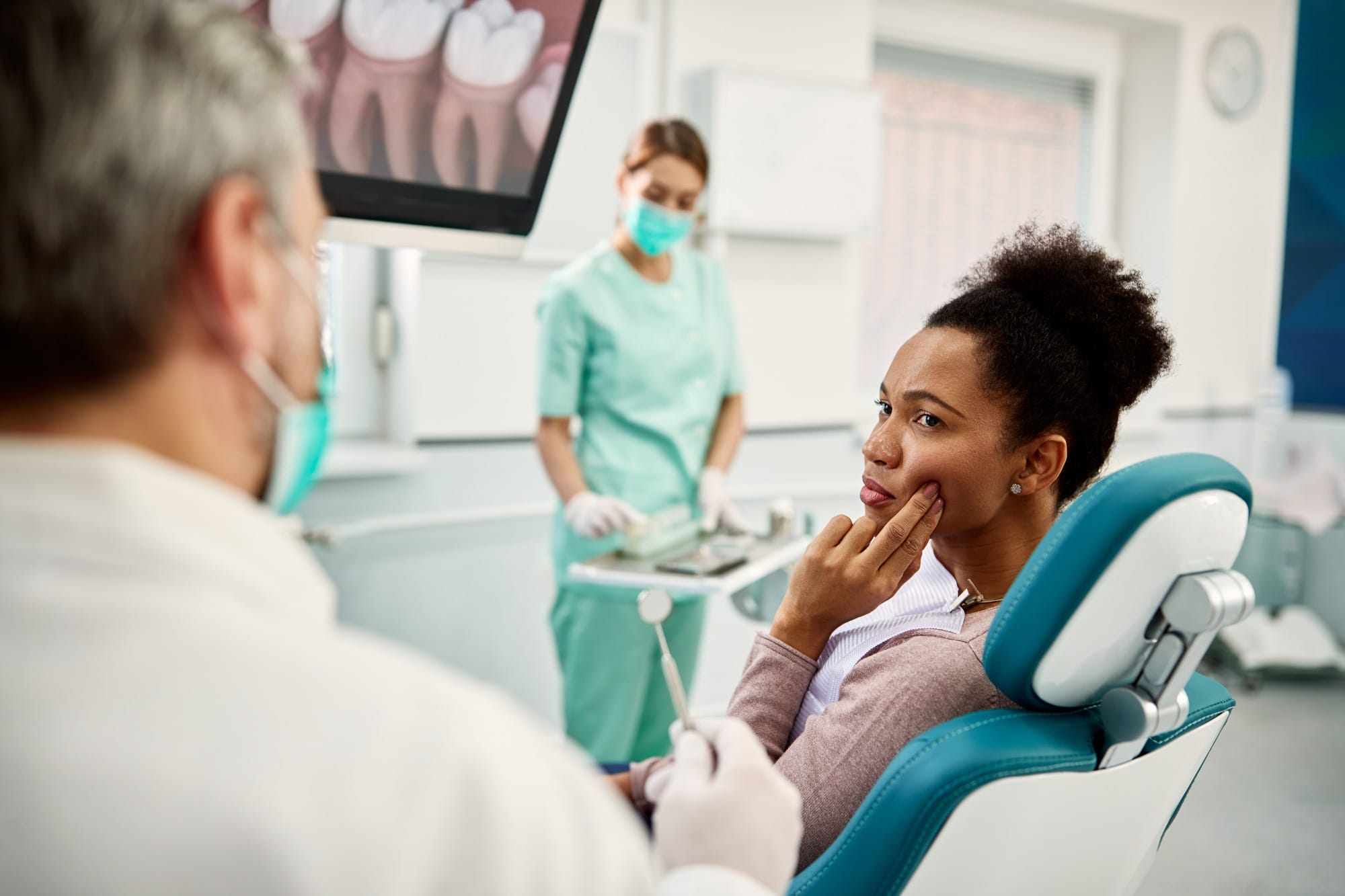
It often starts the same way: a sudden twinge, swelling in the mirror, or a sharp jolt of tooth pain when biting down. Then come the questions: Is this serious? Do I need urgent dental care, or can it wait for a formal appointment?
If you’re unsure, you’re not alone. Dental emergencies can be confusing, especially when dealing with a toothache, bleeding gums, or a broken crown on a busy day. The good news is that a calm, simple plan can protect your oral health and help you get the right care at the right time. Below is a patient-friendly guide to help you decide what counts as a true dental emergency and what to do next.
What counts as a dental emergency?
A dental emergency typically involves severe pain, uncontrolled bleeding, swelling, or injuries that could worsen quickly without immediate attention. If you’re worried, it’s always appropriate to call an emergency dentist and describe your symptoms to be guided to the safest next step.
Signs you may need emergency dental care right away
Some problems can wait a day or two, but others require immediate care to protect your teeth, gums, and overall health. Here are situations where emergency dental care is a smart choice:
- Severe toothache or intense pain: This is one of the most common reasons patients call. A severe toothache may indicate cavities, an abscess, or inflammation deep inside the tooth that could require a root canal. Pain that keeps you awake, worsens quickly, or feels like throbbing pressure often warrants an emergency appointment.
- Swelling: Swelling in the gums, jaw, or face—especially with pain, warmth, or a bad taste—can signal infection. Gum disease may also contribute to tenderness and irritation, so it’s important to have a dentist evaluate the issue.
- Bleeding: Heavy bleeding or bleeding after trauma should be taken seriously. While a little blood after brushing may indicate gum disease, uncontrolled bleeding or bleeding paired with swelling and pain is an immediate emergency.
Dental injuries: what to do in the first few minutes
Sports, falls, and accidents can cause dental injuries, and your first steps can make a big difference. Stay calm and focus on protecting the area until you can be seen for urgent care.
- Chipped or broken tooth: Rinse your mouth gently with warm water and save any pieces if possible. Use a cold compress on your cheek to reduce swelling and discomfort. Avoid chewing on the affected side to prevent further irritation.
- Knocked-out tooth: Time is critical. Handle the tooth carefully, avoiding the root, and rinse gently if needed. Call immediately for attention. Even if you’re unsure what happened, describing the issue over the phone helps the dental practice guide you.
Broken crowns, lost fillings, and other urgent tooth issues
Not every issue requires the emergency room, but some problems should be addressed quickly to prevent small repairs from becoming bigger ones.
- Lost filling: This can leave your tooth sensitive to temperature or pressure and allow food and bacteria to collect in the open area. Prompt care protects the tooth structure and reduces discomfort.
- Broken crown: A broken crown can expose the tooth underneath, leading to pain or further damage. If your crown feels loose, avoid sticky foods and call for an emergency appointment.
- Braces issues: Broken wires can poke your cheek or gums, causing irritation. Cover the end with orthodontic wax if possible and call for guidance. Quick management can restore comfort.
When tooth extractions become an emergency
Sometimes an emergency dentist recommends tooth extractions when a tooth cannot be saved comfortably or predictably. Severe decay, a cracked tooth, or advanced infection may lead to this recommendation.
Wisdom teeth can also cause urgent problems, such as swelling, pressure, or difficulty cleaning the area. If you suspect wisdom teeth are contributing to your pain, call and explain your symptoms so your dentist can advise you.
If you believe you need an emergency extraction, know that the goal is relief and safety. A thoughtful evaluation, clear options, and a plan for comfort can make a stressful moment more manageable.
Dental emergency vs. urgent care vs. the emergency room
Many people wonder whether to search for urgent care, go to the emergency room, or look for emergency dentistry. The right answer depends on your symptoms.
- Emergency dentist: If your problem doesn’t involve medical warning signs, an emergency dentist is usually best equipped to treat the source, whether it’s cavities, a crown issue, an abscess, or a root canal need.
- Emergency room: Go to the ER or call local emergency services if you have trouble breathing, difficulty swallowing, uncontrolled bleeding, or rapidly spreading swelling affecting your face or neck. After stabilizing medically, follow up with a dentist to address the dental cause.
You may also see searches like “emergency dental of Dayton,” especially if comparing options by location. If you’re in Dublin, Ohio, choosing a nearby dental practice can make the process smoother, especially when you need quick communication and a familiar team.
What you can do at home while you wait for your emergency appointment
While arranging care, a few simple steps can help you stay comfortable. These are general tips, so always follow the advice you receive when you call:
- Rinse gently with warm water to keep the area clean, especially if food is stuck near the sore tooth or gums.
- Use a cold compress on the outside of your cheek in short intervals to reduce swelling or tenderness.
- Avoid chewing on the painful side and stick to softer foods until you can be seen.
- Apply gentle pressure with clean gauze if bleeding is present. If bleeding doesn’t slow or you feel lightheaded, seek immediate care.
- Avoid trying to “fix” tooth issues yourself with sharp tools or household adhesives, as this can worsen the problem.
Why having a dental home matters during dental emergencies
Dental emergencies feel less overwhelming when you already know who to call. A long-term relationship with a dentist means a more efficient visit because your history, comfort needs, and goals are already understood.
Schneider Family Dental has served families in the Dublin community since 1968, and that neighbor-focused approach matters when you’re stressed or hurting. You deserve a team that listens, explains your options clearly, and creates a plan that supports your long-term oral health. Preventive guidance after the emergency is handled helps you return to steady oral hygiene habits and reduce the risk of repeat problems.
Technology can also improve the experience during urgent care. For example, 3D X-rays support accurate diagnosis, making your care more predictable. If a damaged tooth needs a crown, same-day crowns reduce the number of visits, which is a real comfort when life is busy.
Treatment options you might hear about during emergency dentistry
Every situation is different, but many emergency visits lead to common solutions:
- Root canal: Removes infected tissue, relieves pain, and preserves your tooth.
- Tooth extraction: Recommended if the tooth is too damaged. Your dentist can discuss replacement options like dental implants or dentures to restore function and confidence.
- Cosmetic concerns: Broken front crowns or chipped teeth affecting your smile can still receive restorative help with an eye on appearance. Fillings, crowns, and other repairs often support both comfort and confidence.
If cost questions add stress, ask about insurance coverage and flexible financing options. Clear communication helps you make decisions you feel good about.
A calm next step if you’re dealing with a dental emergency in Dublin, Ohio
If you think you’re experiencing a dental emergency, trust your instincts and reach out. Early guidance can prevent issues from escalating and help you feel better faster.
Schneider Family Dental welcomes patients in Dublin, Ohio with personalized care in a comfortable environment. If you’re dealing with swelling, bleeding, toothaches, a broken crown, or other dental emergencies, call to request an emergency appointment. We’ll help you understand what’s happening and what immediate attention looks like for your situation, with a plan that supports a healthy, confident smile.




Add Comment